Korea First-Timer Checklist: What to Sort Before You Fly
Quick answer
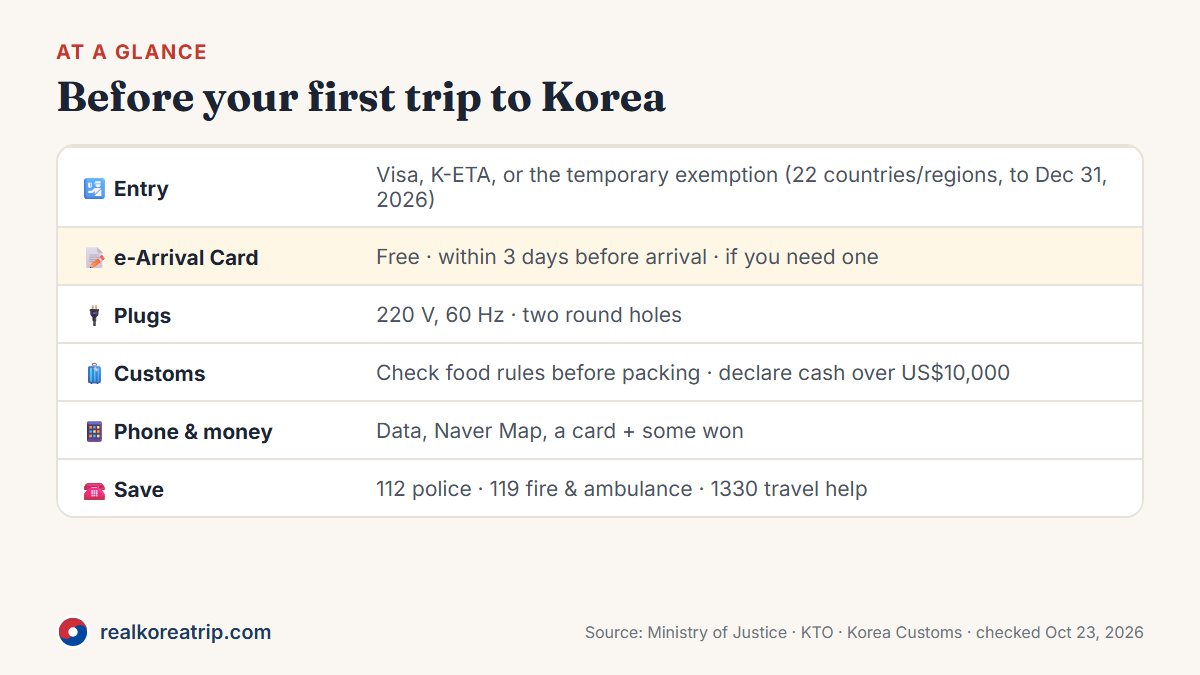
- Check your entry permission first. Visa-free visitors normally need a K-ETA, but 22 countries and regions are temporarily exempt until December 31, 2026 (Korea time).
- Then see whether you need an e-Arrival Card. It's free and can be submitted within 3 days before you arrive; the official site has a quick checker.
- Pack for 220-volt sockets with two round holes, and declare food or more than US$10,000 in cash at customs.
Small practical problems can trip up a first trip to Korea: a phone with no data at the arrivals gate, a charger that won't fit the wall, a top-up machine that only takes cash. None of it is hard to fix once you're there, but it's easier to sort at home. This list runs roughly in the order you'll need things, from before you book your flight to your first night in Korea.
The short version
| When | What to sort |
|---|---|
| Before you book | Visa, K-ETA, or the temporary K-ETA exemption |
| 3 days before you land | The e-Arrival Card, if you need one (free) |
| A week before you land | Q-CODE or a health questionnaire, if your recent travel requires it |
| When you pack | An adapter for 220-volt, two-round-hole sockets; nothing you'd have to declare by accident |
| Before you leave home | Phone data, a card that works abroad, some won, and your route from the airport |
| Save in your phone | 112, 119 and 1330 |
Source: e-Arrival Card, Korea Tourism Organization and Korea Customs Service; checked Oct 23, 2026.
1. Entry permission: visa, K-ETA or neither
Start here, because it decides everything else. If your passport lets you enter Korea without a visa, you normally need a K-ETA (an online travel authorization) before you board. Right now, though, 22 countries and regions are temporarily exempt until December 31, 2026 (Korea time), including the US, Canada, the UK, Japan and Australia. Visa-free travelers who are not covered by a K-ETA exemption need approval before boarding. Check both your nationality and personal exemptions, including those for travelers aged 17 or under and 65 or over on the date of entry. If you are not eligible for visa-free entry, check the visa requirements for your trip.
Our K-ETA guide has the full exempt list, the fee and how to avoid fake application sites.
Source: Korea Tourism Organization — visa & travel requirements (updated Sep 18, 2026) and K-ETA FAQ; checked Oct 23, 2026.
2. The e-Arrival Card
This is the one people forget. Korea's arrival card is now an online form, and whether you need it depends on what you're entering with — not just your nationality. Travelers entering on a Korean visa need one, and so do travelers using the temporary K-ETA exemption, unless another exemption applies (a valid Korean residence card, for example). If you enter on a valid K-ETA, you don't. And if you hold both a K-ETA and a visa but enter on the visa, you do.
If that sounds like a puzzle, the official site has a checker: tick what you'll hold on arrival (visa, K-ETA, residence card or none) and it tells you. The service is free, and you can submit within 3 days before you arrive. Have your passport, your flight details and where you're staying ready, plus an email address.
Source: e-Arrival Card — official site and who needs to submit; checked Oct 23, 2026.
3. Q-CODE, if it applies to you
Q-CODE is Korea's online quarantine declaration. Whether you need to declare depends on where you stayed or transited. Korea's disease control agency (KDCA) splits this in two: all travelers who stayed in or transited through an intensive quarantine management area must declare, while for other quarantine management areas the requirement applies to travelers with relevant symptoms. If you need to declare, you can register in Q-CODE in advance or submit a Health Questionnaire. Q-CODE registration opens seven days before you arrive; if you finish it before boarding, you just show the QR code at quarantine screening.
The lists of areas change, so check KDCA's current guidance for the places on your route rather than relying on an old forum post.
Source: KDCA — quarantine guide (Korean) and Korea Tourism Organization — visa & travel requirements; checked Oct 23, 2026.
4. Packing: plugs and customs
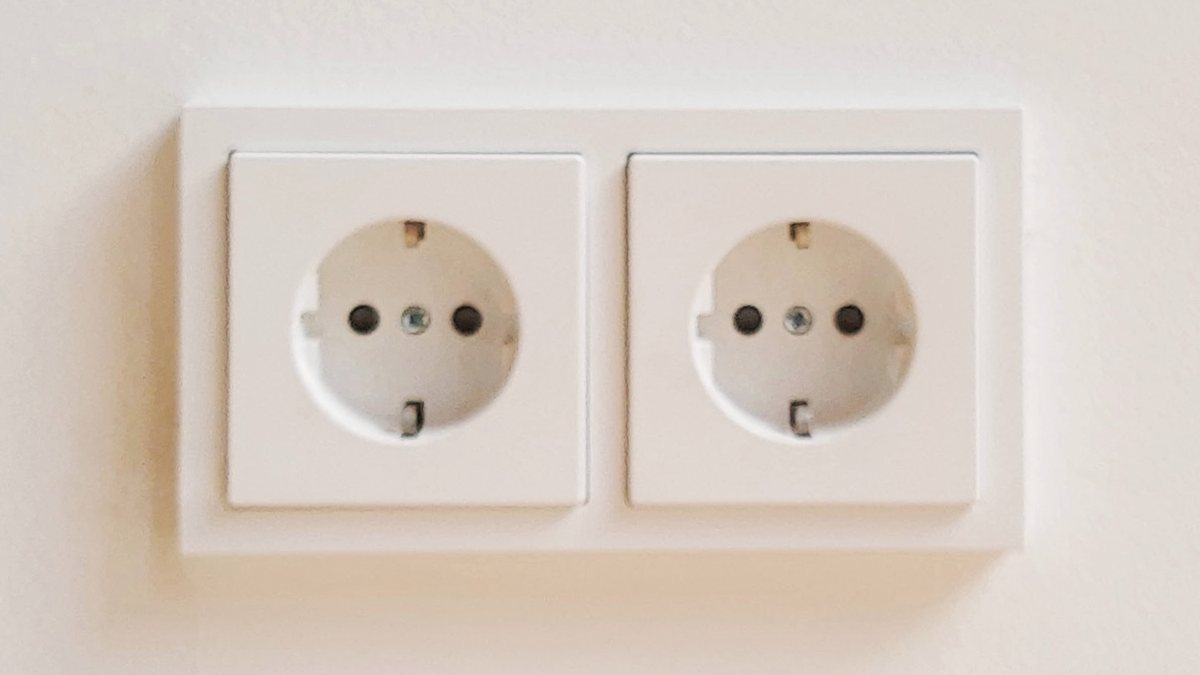
Korean sockets have two round holes, and the standard supply is 220 volts at 60 hertz. If your plugs have flat pins, pack an adapter. Forgot one? The Korea Tourism Organization says you can ask your hotel's front desk to lend or sell you one, and you'll also find them at the airport, duty-free shops and convenience stores.
Customs is mostly about two things visitors carry without thinking. Food is one: meat, fruit, vegetables and other food products are on the list of goods to declare. But declaring something doesn't make it allowed in. Some products are banned outright (the Korea Tourism Organization's quarantine guide lists all fresh fruits and vegetables, for example), and animal products need a quarantine certificate from the exporting country and an inspection on arrival. Check the official animal and plant quarantine rules before you pack, and declare anything you're unsure about. Cash is the other: more than US$10,000 in cash or other means of payment has to be declared. The duty-free allowance for goods is US$800 in total, with separate rules for alcohol, tobacco and perfume.
If you take prescription medicine, check the customs guide first: some medicines are on the declaration list.
Source: Korea Tourism Organization — electricity & communications (updated Sep 11, 2026) and animal and plant quarantine (updated Sep 28, 2026), and Korea Customs Service — customs clearance guide for passengers; checked Oct 23, 2026.
5. Phone, data and maps
You'll want data from the moment you leave the plane: to find the train, to message your hotel, and to walk the last few hundred meters from a subway exit. Decide before you fly whether you'll use an eSIM, a Korean SIM card or a pocket Wi-Fi router. Our eSIM, SIM card and pocket Wi-Fi guide compares them.
Install your map app at home, too. When we tested the Google Maps website on a Seoul route (Oct 22, 2026), it gave transit directions but no walking or driving routes, which is why our Naver Map guide exists.
6. Money and the transit card
A foreign card works in most hotels, shops and taxis, but not everywhere — and topping up a regular T-money transit card takes Korean won cash. Bring a card that works abroad and plan to get some won early. Our guides cover paying in Korea and getting a T-money card.
7. Your first ride and your longer trips
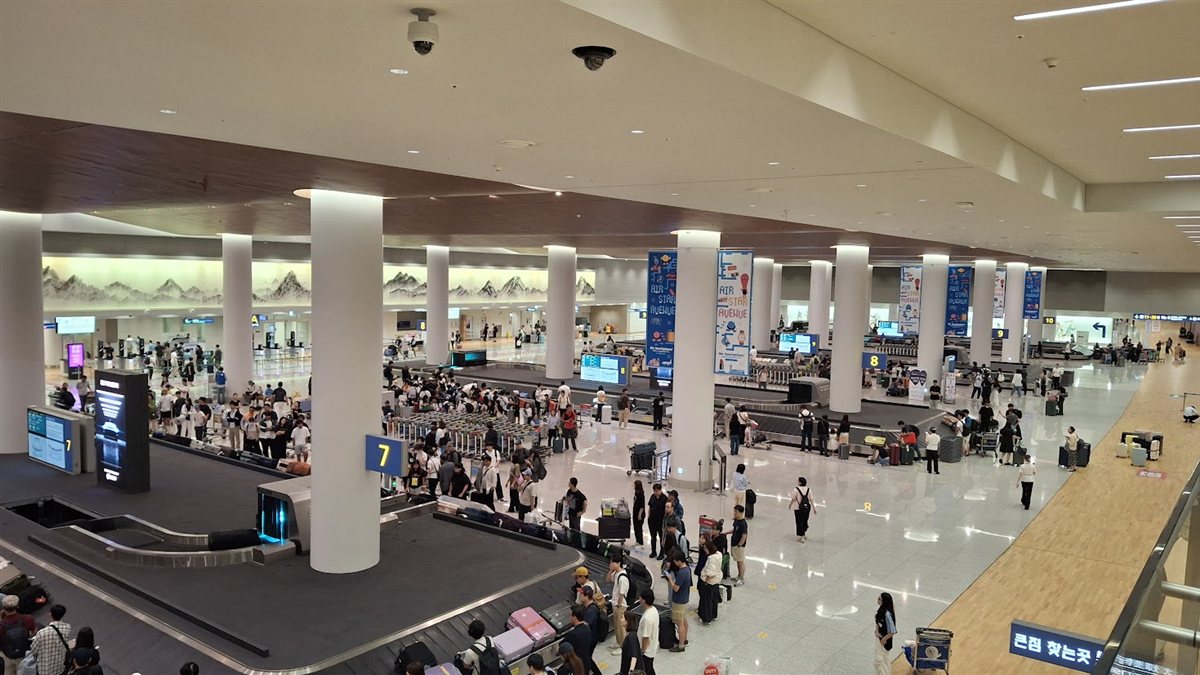
Know how you'll get from the airport before you're standing at baggage claim with a dead phone. Our Incheon Airport to Seoul guide compares the airport railroad, buses and taxis.
If you're planning Busan, Gyeongju or another city by KTX, note when tickets go on sale: the normal booking window opens two months ahead, and holiday trains follow their own schedule. How to book KTX tickets walks through it.
8. Numbers to save before you go
In an emergency, call 112 for the police or 119 for fire and ambulance. If you don't speak Korean, say "English please" or "Interpreter please" when the call connects, and an interpreter will be brought in. The government's Baro Emergency Reporting App is another way to report.
For anything that isn't an emergency (lost, confused, a problem with a shop or taxi), the Korea Travel Helpline is 1330 from a Korean phone, or +82-2-1330 from overseas. It also runs a real-time chat, and its online voice call is free over Wi-Fi.
Source: Korea Tourism Organization — disaster safety services and 1330 Travel Helpline; checked Oct 23, 2026.
The checklist
- Check whether you need a visa, a K-ETA, or neither — K-ETA guide.
- Run the e-Arrival Card checker; if you need one, submit it within 3 days before you land.
- Check KDCA's current quarantine areas and symptom rules; submit Q-CODE or a Health Questionnaire if required.
- Pack an adapter for two-round-hole sockets; check your chargers' voltage.
- Check the quarantine rules before packing food (fresh fruit and vegetables are banned); declare food and cash over US$10,000.
- Sort phone data — eSIM, SIM or pocket Wi-Fi.
- Install Naver Map.
- Bring a card that works abroad and plan for some won — paying in Korea.
- Plan your airport route and any KTX trips.
- Save 112, 119 and 1330 in your phone.
FAQ
Do I need an arrival card for Korea?
It depends on what you enter with. Travelers entering on a Korean visa, and travelers using the temporary K-ETA exemption, generally need the e-Arrival Card; travelers entering on a valid K-ETA don't. Some other exemptions, such as a valid Korean residence card, also apply. The official e-Arrival Card site has a free checker.
When can I submit the e-Arrival Card?
The official site says to complete and submit it within 3 days before you arrive in Korea. There's no fee.
What plug does Korea use?
Korean sockets have two round holes, and the supply is 220 volts at 60 hertz, according to the Korea Tourism Organization.
Can I bring food into Korea?
Food products, including meat, fruit and vegetables, are on Korea Customs Service's list of goods you must declare, but declaring them doesn't make them admissible. Some, such as all fresh fruits and vegetables, are banned, and animal products need a quarantine certificate from the exporting country and an inspection. Check the official quarantine rules before packing.
What number do I call for help in Korea?
112 for police and 119 for fire and ambulance in an emergency. For travel help, call the Korea Travel Helpline on 1330 in Korea or +82-2-1330 from overseas.
- Ministry of Justice — e-Arrival Card (official site)
- Ministry of Justice — e-Arrival Card, who needs to submit
- Korea Tourism Organization — Visa & travel requirements (K-ETA, Q-Code)
- Korea Tourism Organization — Electricity & communications
- Korea Customs Service — Customs clearance guide for passengers
- Korea Disease Control and Prevention Agency — Quarantine guide (Korean)
- Korea Tourism Organization — Animal and plant quarantine
- Korea Tourism Organization — Disaster safety services for international visitors
- Korea Tourism Organization — 1330 Travel Helpline
Last checked Oct 23, 2026. Details can change — please confirm with the official source before you travel.
Photo credits