Best Time to Visit Korea: Month-by-Month Weather

Quick answer
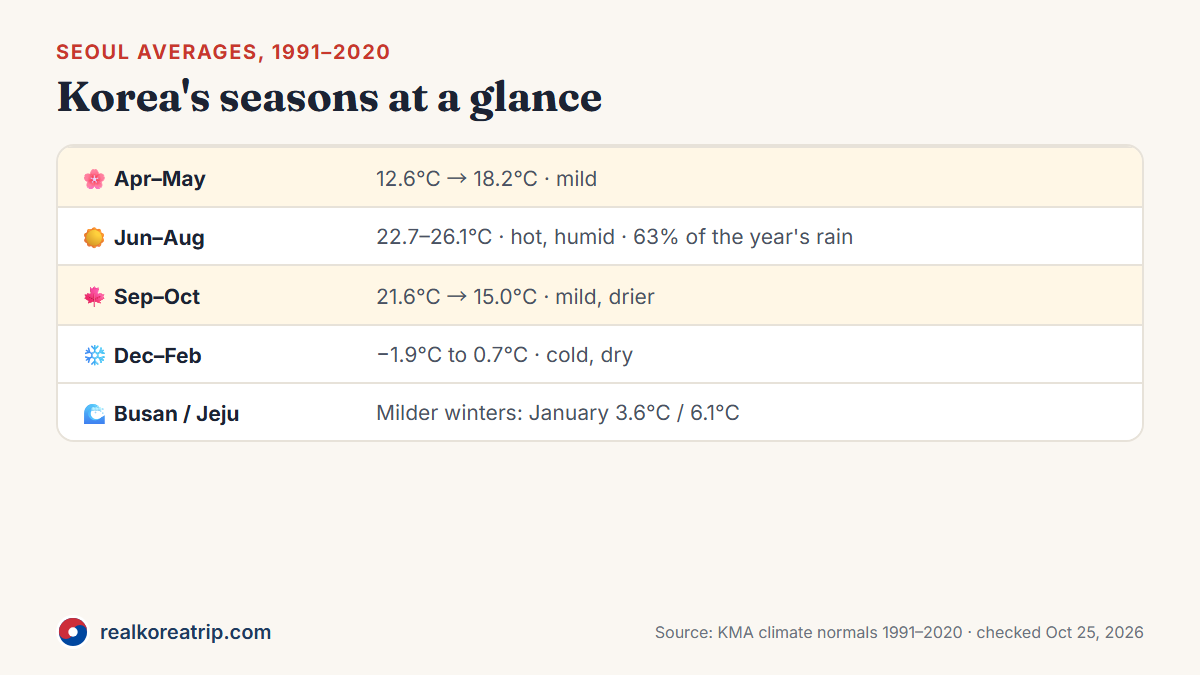
- For mild weather, go in spring or autumn. Seoul averages 12.6°C in April, 18.2°C in May, 21.6°C in September and 15.0°C in October (1991–2020 averages).
- July and August are hot and wet: Seoul averages 25–26°C, and July is its wettest month with 414.4 mm of rain. June to August brings about 63% of the year's rain.
- January is the coldest month, averaging −1.9°C in Seoul (lows around −5.5°C). Busan and Jeju are milder: 3.6°C and 6.1°C on average in January.
For mild weather in Korea, go in spring (April–May) or autumn (September–October): Seoul averages 12.6–18.2°C in April and May, and 21.6°C and 15.0°C in September and October. July is the wettest month, with 414.4 mm of rain on average in Seoul, and January the coldest, at −1.9°C. These are the Korea Meteorological Administration's official averages for 1991–2020, not a forecast for any one year.
Source: Korea Meteorological Administration — climate normals 1991–2020 and Seoul regional climate (Korean); checked Oct 25, 2026.
The short version
| Season (Seoul) | Average temperature | Rain | What it means for your trip |
|---|---|---|---|
| Spring (March–May) | 6.1°C → 18.2°C | 36.9–103.6 mm a month | Cool to mild; March can still be cold |
| Summer (June–August) | 22.7–26.1°C | 892.1 mm in total, about 63% of the year's rain | Hot, humid and wet, especially July |
| Autumn (September–November) | 21.6°C → 7.5°C | 141.5 mm in September, then about 50 mm a month | Mild and drier; November turns cold |
| Winter (December–February) | −1.9°C to 0.7°C | 67.6 mm in total, about 5% of the year's rain | Cold and dry |
Source: Korea Meteorological Administration, 1991–2020 averages for Seoul, and Seoul regional climate (Korean); checked Oct 25, 2026.
Seoul, month by month
| Month | Average | High | Low | Rain | Humidity |
|---|---|---|---|---|---|
| January | −1.9°C | 2.1°C | −5.5°C | 16.8 mm | 56% |
| February | 0.7°C | 5.1°C | −3.2°C | 28.2 mm | 55% |
| March | 6.1°C | 11.0°C | 1.9°C | 36.9 mm | 55% |
| April | 12.6°C | 17.9°C | 8.0°C | 72.9 mm | 55% |
| May | 18.2°C | 23.6°C | 13.5°C | 103.6 mm | 60% |
| June | 22.7°C | 27.6°C | 18.7°C | 129.5 mm | 66% |
| July | 25.3°C | 29.0°C | 22.3°C | 414.4 mm | 76% |
| August | 26.1°C | 30.0°C | 22.9°C | 348.2 mm | 74% |
| September | 21.6°C | 26.2°C | 17.7°C | 141.5 mm | 66% |
| October | 15.0°C | 20.2°C | 10.6°C | 52.2 mm | 62% |
| November | 7.5°C | 11.9°C | 3.5°C | 51.1 mm | 60% |
| December | 0.2°C | 4.2°C | −3.4°C | 22.6 mm | 58% |
"High" and "low" are the average daily maximum and minimum. Humidity is rounded to the nearest percent.
Source: Korea Meteorological Administration — monthly climate normals, Seoul (station 108), 1991–2020 (Korean); checked Oct 25, 2026.
Spring: April and May
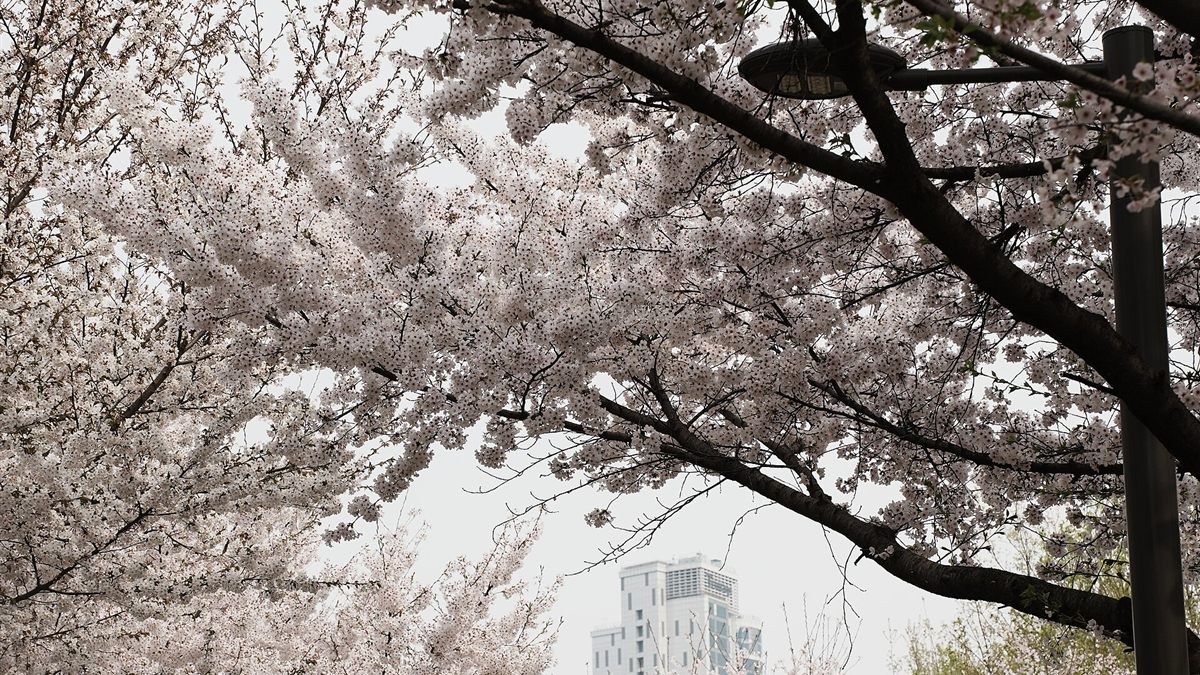
- April: average 12.6°C (8.0–17.9°C), 72.9 mm of rain.
- May: average 18.2°C (13.5–23.6°C), 103.6 mm of rain, and Seoul's sunniest month on average (223 hours of sunshine).
- March is still cool: 6.1°C on average, with lows around 1.9°C.
Source: Korea Meteorological Administration, Seoul 1991–2020 (Korean); checked Oct 25, 2026. Cherry blossom: KMA Seoul office press release, March 29, 2026 (Korean); checked Oct 30, 2026.
Summer: June to August
- Hot and humid: July averages 25.3°C and August 26.1°C in Seoul, with highs around 29–30°C and humidity around 74–76%.
- Wet: July (414.4 mm) and August (348.2 mm) are Seoul's wettest months. June to August together bring 892.1 mm, about 63% of the year's rain.
Source: Korea Meteorological Administration and Seoul regional climate (Korean); checked Oct 25, 2026. Beaches: Busan travel guide.
Autumn: September to November
- September: average 21.6°C, but still fairly wet (141.5 mm).
- October: average 15.0°C (10.6–20.2°C), 52.2 mm of rain, and about as sunny as April (206.5 hours).
- November: average 7.5°C. On average, Seoul's first frost comes on October 28 and its first snow on November 20.
Source: Korea Meteorological Administration and Seoul regional climate (Korean); checked Oct 25, 2026.
Winter: December to February
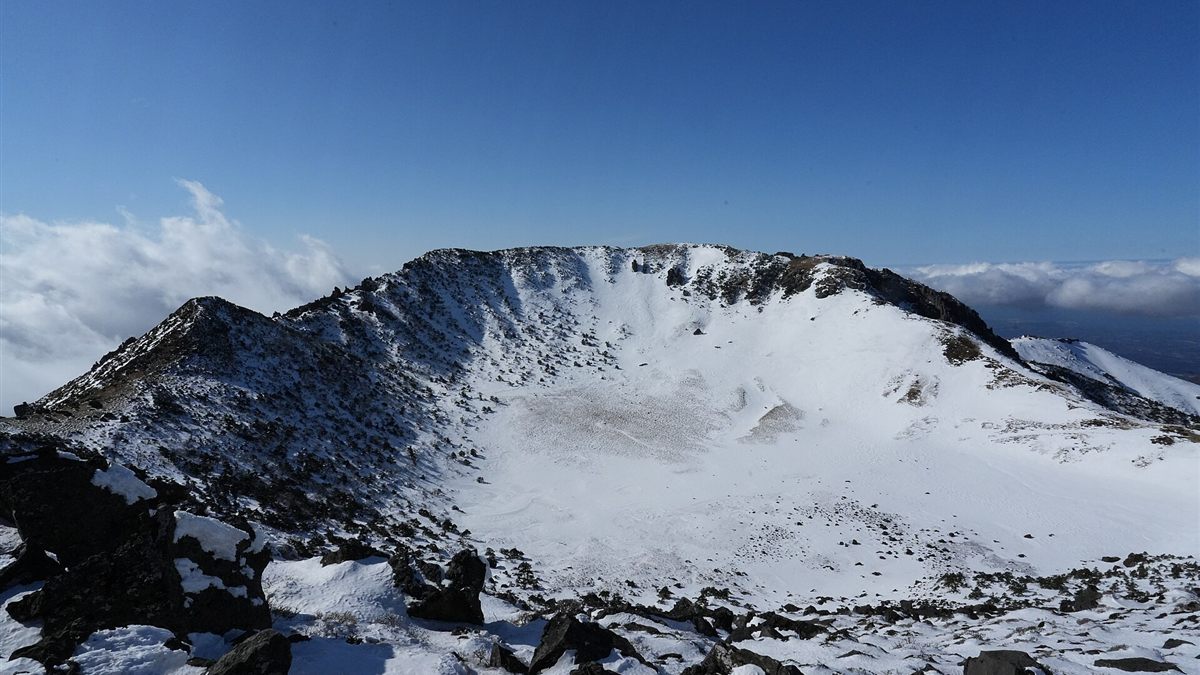
- Cold: January averages −1.9°C in Seoul, with lows around −5.5°C. December averages 0.2°C and February 0.7°C.
- Dry: December to February brings only 67.6 mm in total, about 5% of the year's rain.
Source: Korea Meteorological Administration and Seoul regional climate (Korean); checked Oct 25, 2026.
Busan and Jeju: warmer in winter
| Seoul | Busan | Jeju City | |
|---|---|---|---|
| January average | −1.9°C | 3.6°C | 6.1°C |
| April average | 12.6°C | 13.8°C | 14.2°C |
| August average | 26.1°C | 26.1°C | 27.2°C |
| October average | 15.0°C | 17.9°C | 18.6°C |
| Wettest month | July, 414.4 mm | July, 326.8 mm | August, 272.3 mm |
Source: Korea Meteorological Administration — climate normals, 1991–2020, stations Seoul (108), Busan (159) and Jeju (184) (Korean); checked Oct 25, 2026. Trip ideas: Busan, Jeju, Gyeongju, Andong, Gangneung and Tongyeong.
Holidays: plan around Seollal and Chuseok
Korea's Seollal (Lunar New Year) and Chuseok holidays are set by the lunar calendar, so their dates on the regular calendar change each year. Holiday KTX trains have their own booking schedule and rules, separate from the normal two-month window, so check Korail's notices and book early if your trip overlaps.
Source: Korail — 2026 Chuseok reservations notice, checked Oct 23, 2026; Korea Astronomy and Space Science Institute — official calendar (almanac) (Korean), checked Oct 25, 2026. Details: how to book the KTX.
Before you book
- Pick your season with the month-by-month table above.
- Traveling June to August? Pack for heat, humidity and heavy rain.
- Traveling December to February? Pack warm layers; Busan and Jeju are milder than Seoul.
- Check whether your dates overlap Seollal or Chuseok, and book trains early if they do.
- Check the forecast a week before you go: averages aren't a forecast.
Source: Korea Meteorological Administration; checked Oct 25, 2026.
FAQ
What is the best month to visit Korea?
For mild weather, April, May, September and October. Seoul averages 12.6°C, 18.2°C, 21.6°C and 15.0°C in those months (1991–2020 averages).
What is the rainy season in Korea?
Summer. In Seoul, June to August brings about 63% of the year's rain, and July is the wettest month, with 414.4 mm on average.
How cold is Korea in winter?
January averages −1.9°C in Seoul, with lows around −5.5°C. Busan (3.6°C) and Jeju (6.1°C) are milder.
Does it snow in Seoul?
Yes. On average, Seoul's first snow of the season comes on November 20.
- Korea Meteorological Administration, Seoul office — Cherry blossom press release, Mar 29, 2026 (Korean)
- Korea Meteorological Administration — Climate normals 1991–2020 (Korean)
- Korea Meteorological Administration — Regional climate, Seoul and Gyeonggi (Korean)
Last checked Oct 25, 2026. Details can change — please confirm with the official source before you travel.
Photo credits
We publish new guides regularly and update old ones when fares, rules or hours change. Follow our free RSS feed in any feed reader (such as Feedly or Inoreader), or check the latest guides on our homepage.